
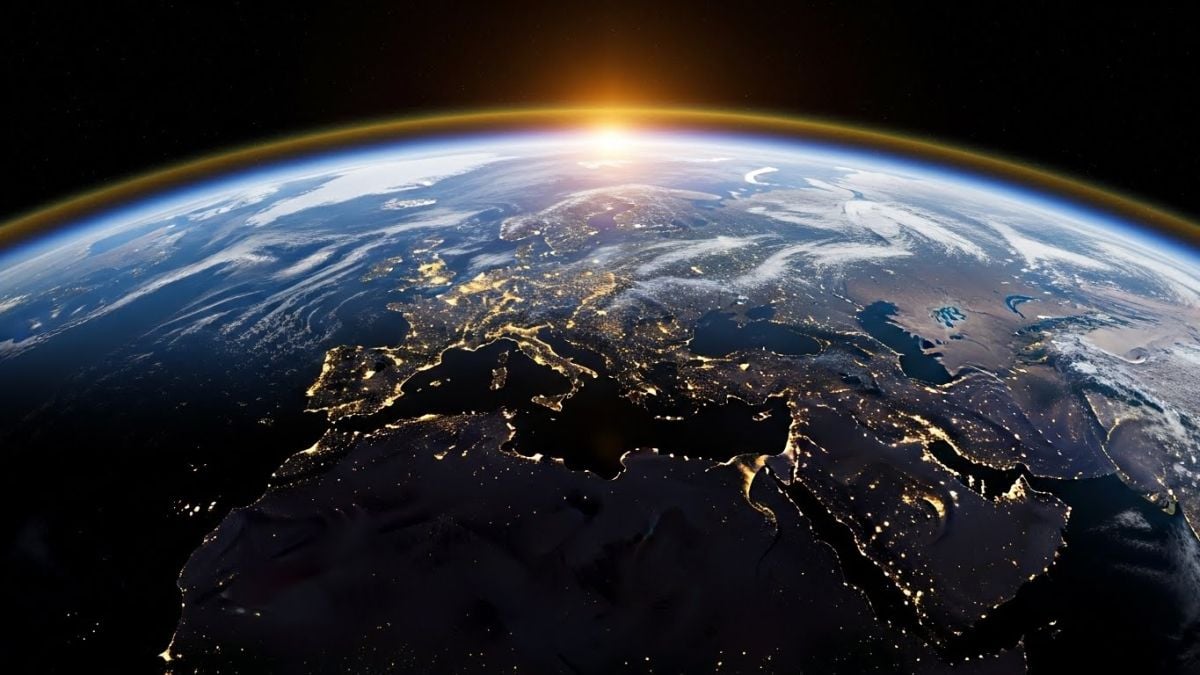
Introduction
"Tomorrow, I want to capture the sunrise at Kanyakumari or the Taj Mahal." When this thought crosses your mind, how do you check the time?
A quick search on your smartphone gives you an instant answer. But have you ever wondered why the sun rises so much earlier in Arunachal Pradesh compared to Gujarat? Or why the sun refuses to set for months during the summers in Scandinavian countries?
In India, we are used to a relatively stable cycle, especially in the south. But as you move closer to the poles, the relationship with the sun changes drastically. In Finland, the sun doesn't set for two months in summer. We all live on the same planet, yet our experience of day and night varies significantly depending on our location.
In this article, we will delve into the "why" behind solar mechanics and provide practical knowledge useful for your next holiday or photography trip.
1. Why Sunrise and Sunset Times Vary by Location
1-1. Day and Night Created by Earth's Rotation
The cycle of "morning comes, then night falls" is created by the Earth rotating on its axis once approximately every 24 hours.
When your location turns towards the sun, it becomes morning; when it turns away, it becomes night. "Sunrise" is the moment the sun peeks over the horizon, and "sunset" is the moment it sinks below it.
This is common knowledge. But why do sunrise times differ so much depending on the location?
1-2. The Dramatic Impact of Latitude
"Latitude" has the most significant impact on sunrise and sunset times.
Near the equator (like in Kerala or Sri Lanka), the sun rises and sets almost perpendicularly to the horizon. Therefore, the day length remains stable at about 12 hours throughout the year. The seasonal change in daylight is minimal.
On the other hand, in high-latitude regions (like the UK or Canada), the sun moves diagonally. In Stockholm, Sweden, daylight lasts over 18 hours on the summer solstice but shrinks to just about 6 hours on the winter solstice.
1-3. Axial Tilt and the Seasons
"But why are days longer in summer?"
The answer lies in the Earth's axis, which is tilted about 23.4 degrees. In June, the Northern Hemisphere (where India is located) tilts towards the sun, giving us long, hot summer days.
Conversely, in December, the Southern Hemisphere (like Australia) tilts towards the sun. So, while we are wearing sweaters in Delhi, Australians are enjoying a Christmas BBQ on the beach.
2. Where Does the Sun Rise Earliest and Set Latest?
2-1. The First Place to Welcome the Morning
Where does the new day begin first?
The Line Islands of Kiribati use the UTC+14 time zone, making them the first place to see the date change. In 1995, the Kiribati government adjusted the time zone so the entire country would be on the same day.
For us in India, the first sunrise is witnessed in the Dong Valley of Arunachal Pradesh. The sun rises there nearly two hours before it rises in Gujarat.
2-2. The Place Where "Yesterday" Lasts the Longest
Conversely, the places where the day ends last on Earth are American Samoa and Baker Island (UTC-12).
Interestingly, Kiribati and American Samoa are geographically close, but due to the International Date Line, there is a staggering 26-hour time difference. When it is Monday morning in Kiribati, it is still Sunday morning in American Samoa.
2-3. The Mystery of One Time Zone: India and China
Vast countries usually have multiple time zones. However, India and China are exceptions.
India spans about 3,000 km from East to West, yet we follow a single Indian Standard Time (IST). This means that while people in the Northeast see the sun at 4:00 AM, people in Mumbai are still fast asleep.
China is an even more extreme example. Despite spanning 5,000 km, the entire country uses "Beijing Time." As a result, in western Xinjiang, the sun may rise as late as 9:00 AM and set after midnight in summer. Locals often use an unofficial "Xinjiang Time" for daily life.
| Country | Time Zones | Width (East-West) | Notes |
|---|---|---|---|
| Russia | 11 | Approx. 9,000km | Most time zones in the world |
| India | 1 | Approx. 3,000km | Uses IST (UTC+5:30) |
| China | 1 | Approx. 5,000km | Unified for political reasons |
| USA (Mainland) | 4 | Approx. 4,500km | Eastern, Central, Mountain, Pacific |
*Scroll horizontally to view the table
3. The Midnight Sun and Polar Night
3-1. "Midnight Sun": When the Sun Never Sets
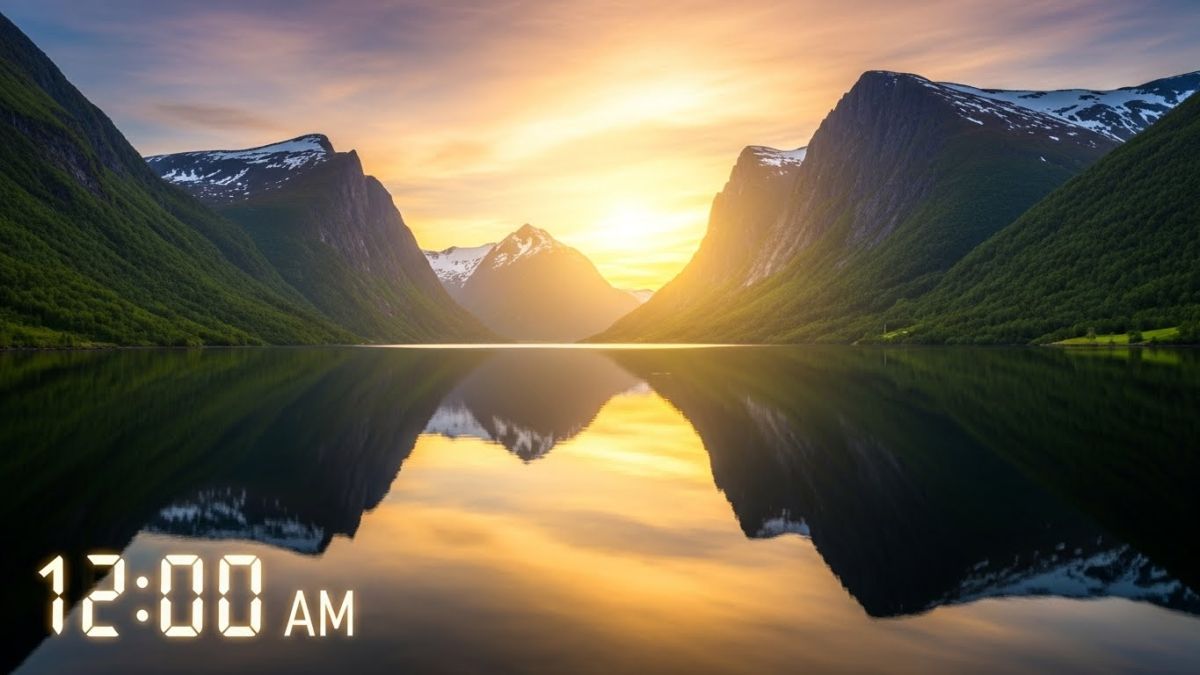
Imagine it is 2:00 AM, but the sky is as bright as afternoon. This is the Midnight Sun.
This phenomenon occurs in the Arctic and Antarctic circles during summer. Due to the Earth's tilt, the sun does not set below the horizon.
In Norway, known as the "Land of the Midnight Sun," people enjoy barbecues or play sports in the middle of the night during June and July. It is a surreal experience for anyone from the tropics.
| Country | City | Latitude | Midnight Sun Period | Features |
|---|---|---|---|---|
| Norway | Tromsø | 69.6° N | May 20 – July 22 | Gateway to the Arctic |
| Finland | Rovaniemi | 66.5° N | June 6 – July 7 | Home of Santa Claus Village |
3-2. "Polar Night": A World Without Sunrise
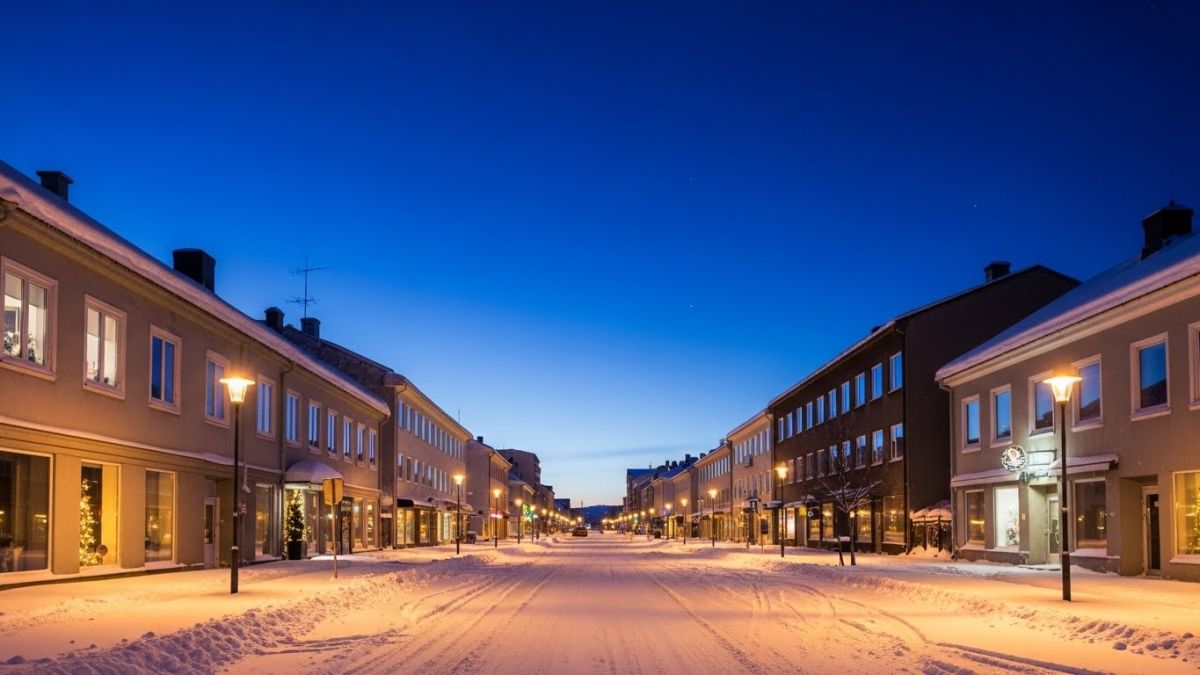
The opposite is the Polar Night. This is when the sun does not rise at all during the winter days.
However, it isn't pitch black. During the afternoon hours, the sky is dyed in a mystical faint blue light known as the Blue Hour. Photographers consider this the most beautiful light of the year.
3-3. The Gift of Polar Night: Aurora Borealis
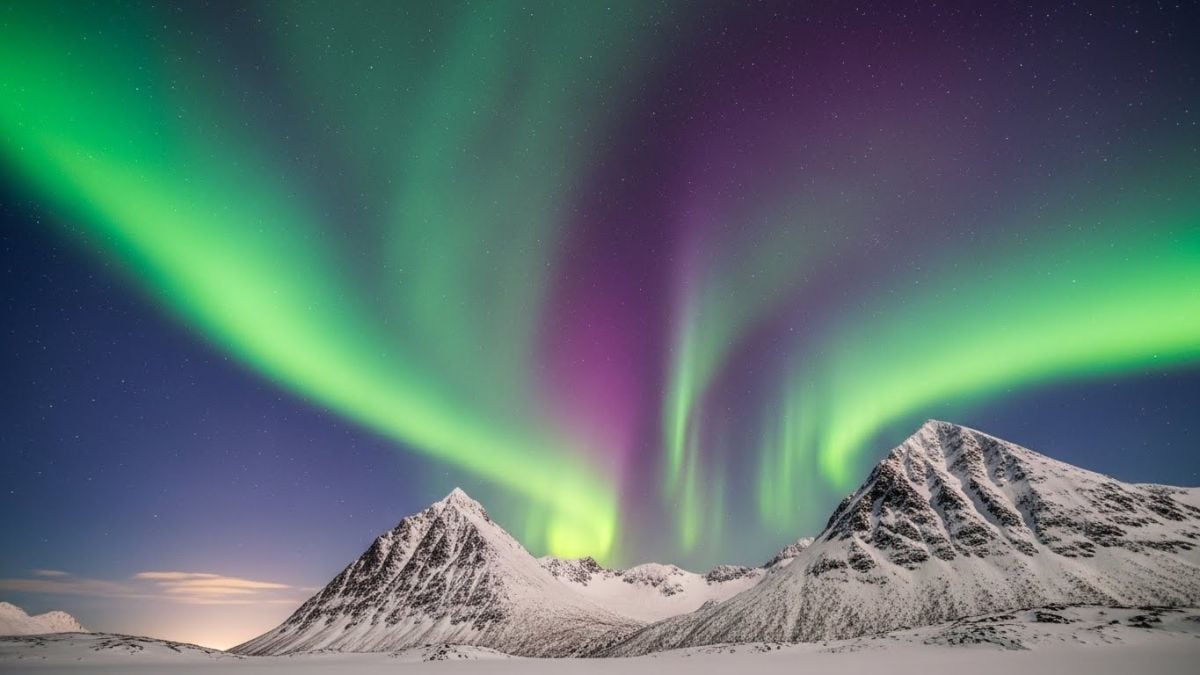
Since the sun doesn't rise, the sky remains dark for long periods, increasing the chances of observing the Aurora Borealis (Northern Lights). The dancing green and purple lights are a bucket-list item for many Indian travellers.
4. Global Comparison of Sunshine Duration
4-1. The Sunniest Places on Earth
According to the World Meteorological Organization (WMO), Yuma, Arizona (USA) is the sunniest place, with about 4,015 hours of sunshine annually.
In India, cities like Jodhpur and Jaisalmer in Rajasthan are comparable, earning Jodhpur the nickname "Sun City" for its bright, clear skies almost year-round.
4-2. Places Where the Sun is Precious
On the other hand, London (UK) gets only about 1,400 hours annually. It has many cloudy or foggy days.
Tromsø (Norway) has even fewer hours (approx. 1,000) due to the Polar Night, though they compensate with 24-hour sun in summer.
Annual Sunshine Hours in Major Cities
Source: World Meteorological Organization (WMO)
5. 5 Breathtaking Sunrise & Sunset Spots
5-1. Uluru (Australia)
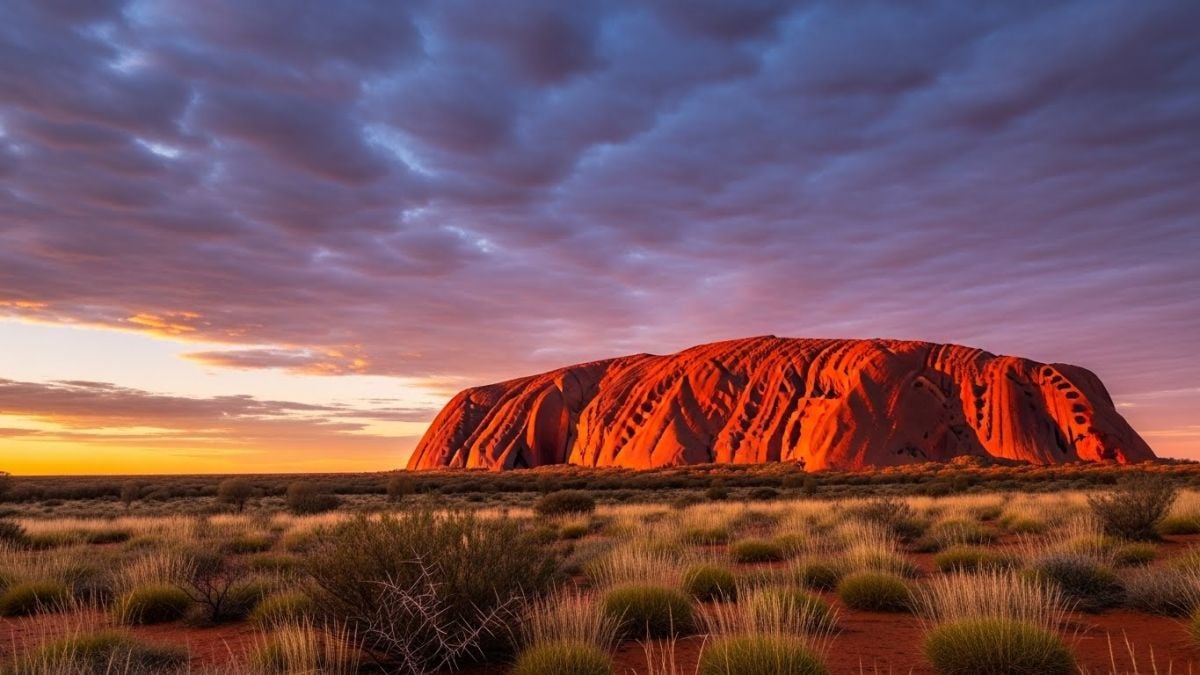
The massive red monolith in the centre of Australia is a sacred site. At sunrise, the rock changes colour from black to purple, then orange, and finally deep crimson. It is often called the "Heart of the World."
Best Season: April–September (Winter, pleasant weather).
Recommended Spot: Talinguru Nyakunytjaku
▶ Check Sunrise/Sunset in Australia: worldsunmoon.com/en-au/sun/
5-2. Grand Canyon (USA)
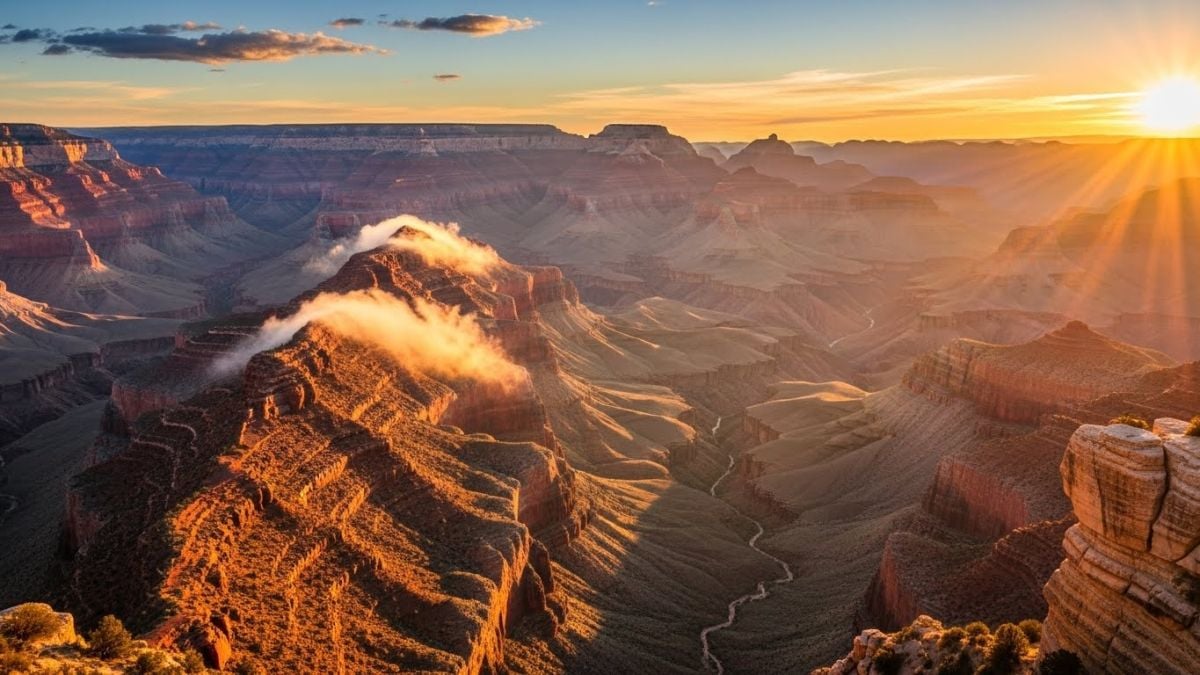
A colossal canyon 1,600m deep. At sunrise, light penetrates to the canyon floor, creating a gradient of colours. It is a spectacle that photos simply cannot do justice to.
Best Season: Spring and Autumn.
Recommended Spot: Mather Point (South Rim)
▶ Check Sunrise/Sunset in the USA: worldsunmoon.com/en-us/sun/
5-3. Angkor Wat (Cambodia)
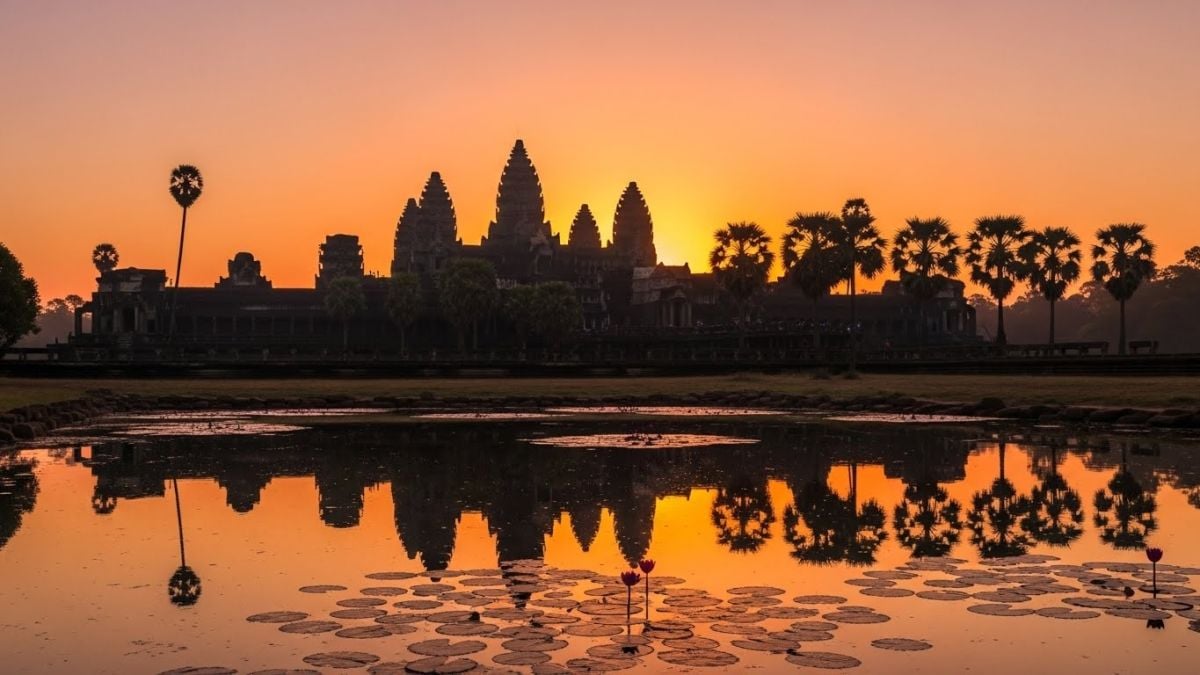
The world's largest religious monument features amazing astronomical design. On the equinoxes, the sun rises directly behind the central tower. The reflection in the lotus pond is iconic.
Best Season: November–February (Dry season).
Note: Be there by 5:00 AM to secure a spot.
5-4. Santorini (Greece)
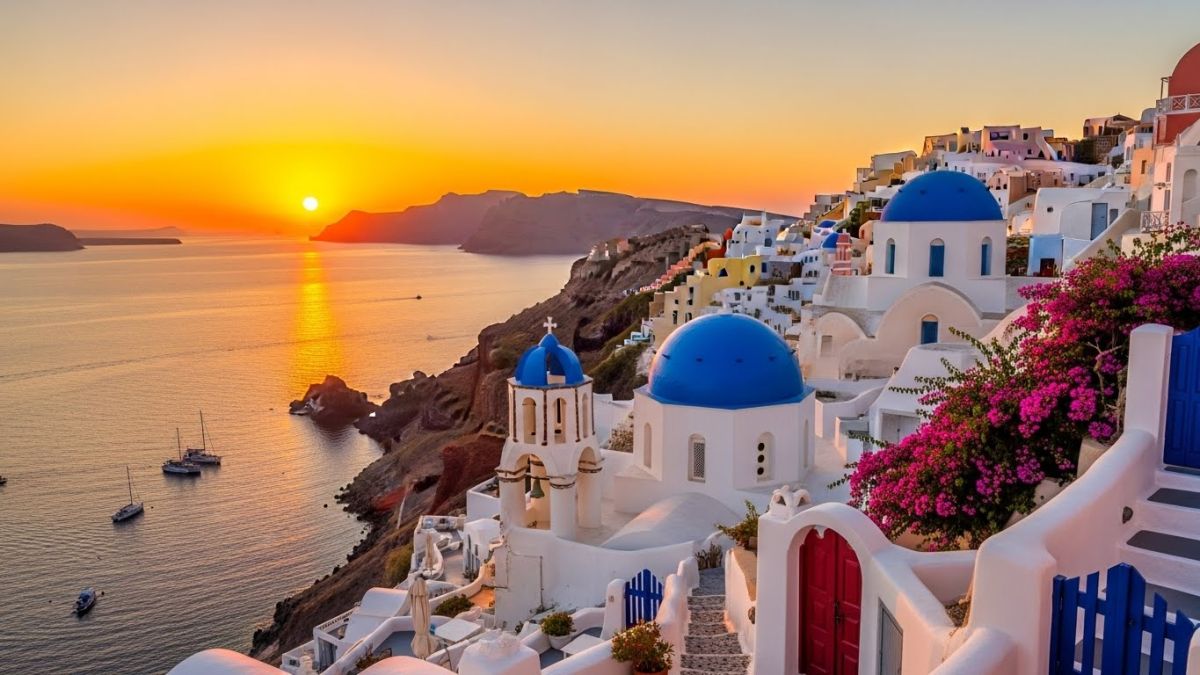
A crescent-shaped volcanic island in the Aegean Sea. The sunset at Oia, with its white-washed houses, is famous worldwide. Crowds often applaud when the sun touches the sea.
Best Season: April–October. September is ideal (less crowded).
5-5. Salar de Uyuni (Bolivia)
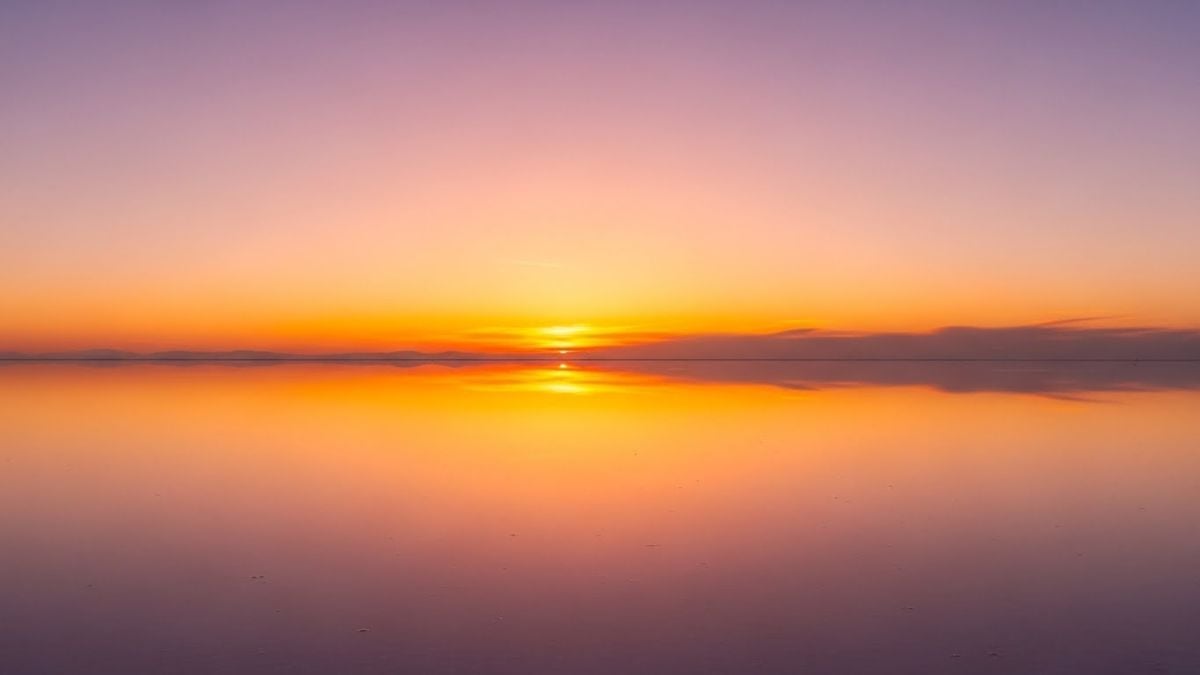
The world's largest salt flat. During the rainy season (December–March), it turns into a giant "Mirror of the Sky." Sunrise here is surreal, blurring the line between earth and sky.
Best Season: February–March (Peak mirror reflection).
▶ Check Sunrise/Sunset in Spanish-speaking regions: worldsunmoon.com/es/sun/
6. How to Avoid Timing Mistakes for Travel & Photography
6-1. Common Mistake: "Checking in Your Home Time Zone"
Imagine you are planning a shoot in London and search for "London Sunrise". Google says 05:00 AM. But is that IST or London time?
If you mistakenly assume IST, you'll be checking at 11:30 PM London time! The time difference can ruin your plans.
6-2. Choosing Reliable Sources
When checking times, pay attention to:
Checkpoints:
- Is the time displayed in "Local Time" or "Your Browser's Time" (IST)?
- Is Daylight Saving Time (DST) accounted for? (Europe and the US use DST, while India does not).
On our site, World Sun Moon, we display sunrise and sunset times in Local Time based on precise astronomical calculations (JPL data). Accuracy is within ±30 seconds. You can also check twilight times for your photography or prayers.
Common Myths and FAQs
Q: Does the East always see the sun first?
A: Generally, yes, because the Earth rotates from West to East. That is why Japan (Land of the Rising Sun) sees the morning before India. And within India, the Dong Valley in Arunachal Pradesh sees the sun two hours before Gujarat.
Q: Is it true that sunset is very quick at the equator?
A: Yes. In South India (like Kerala) or Sri Lanka, the sun sets almost vertically, and the process takes only about 2 minutes. In contrast, in higher latitudes like Kashmir or Europe, the sun sets diagonally, making the twilight last much longer.
Q: Why isn't the Summer Solstice the earliest sunrise of the year?
A: Due to the Earth's elliptical orbit (Equation of Time), the earliest sunrise usually happens a week before the solstice (mid-June), and the latest sunset happens a week after.
Q: Can I calculate moonrise times as well?
A: Yes. The moon rises about 50 minutes later each day. Our site calculates Moonrise and Moonset times precisely. ▶ Check Moonrise & Moonset
Summary
In this article, we covered everything from the mechanics of Earth's rotation to the world's most scenic spots.
While we in India are accustomed to a single time zone (IST), the movement of the sun varies greatly across the globe. From the earliest morning in Kiribati to the Midnight Sun in Norway, the sun shows a different face everywhere.
For your next trip, remember to check the accurate Local Time on World Sun Moon.
Make your next encounter with the sun unforgettable.
Check Sunrise & Sunset Worldwide
- 🇮🇳 India: worldsunmoon.com/en-in/sun/
- 🇺🇸 USA: worldsunmoon.com/en-us/sun/
- 🇯🇵 Japan: worldsunmoon.com/ja/
- 🇦🇺 Australia: worldsunmoon.com/en-au/sun/
- 🇮🇩 Indonesia: worldsunmoon.com/id/sun/
- 🇧🇷 Brazil: worldsunmoon.com/br/sun/
- 🇫🇷 France: worldsunmoon.com/fr/sun/
- 🇰🇷 South Korea: worldsunmoon.com/ko/sun/
- 🇵🇭 Philippines: worldsunmoon.com/tl/sun/
- 🇲🇽 Mexico: worldsunmoon.com/es/sun/
Sources & References
- NASA Earth Fact Sheet - Data on Axial Tilt and Rotation: https://nssdc.gsfc.nasa.gov/planetary/factsheet/earthfact.html
- World Meteorological Organization (WMO) - Global Sunshine Duration Data: https://worldweather.wmo.int/
- NOAA Solar Calculator - Basic Theory: https://gml.noaa.gov/grad/solcalc/
- JPL Horizons System - Ephemeris Data (Calculation basis for this site): https://ssd.jpl.nasa.gov/horizons/
- timeanddate.com - Explanations on Time Zones: https://www.timeanddate.com/